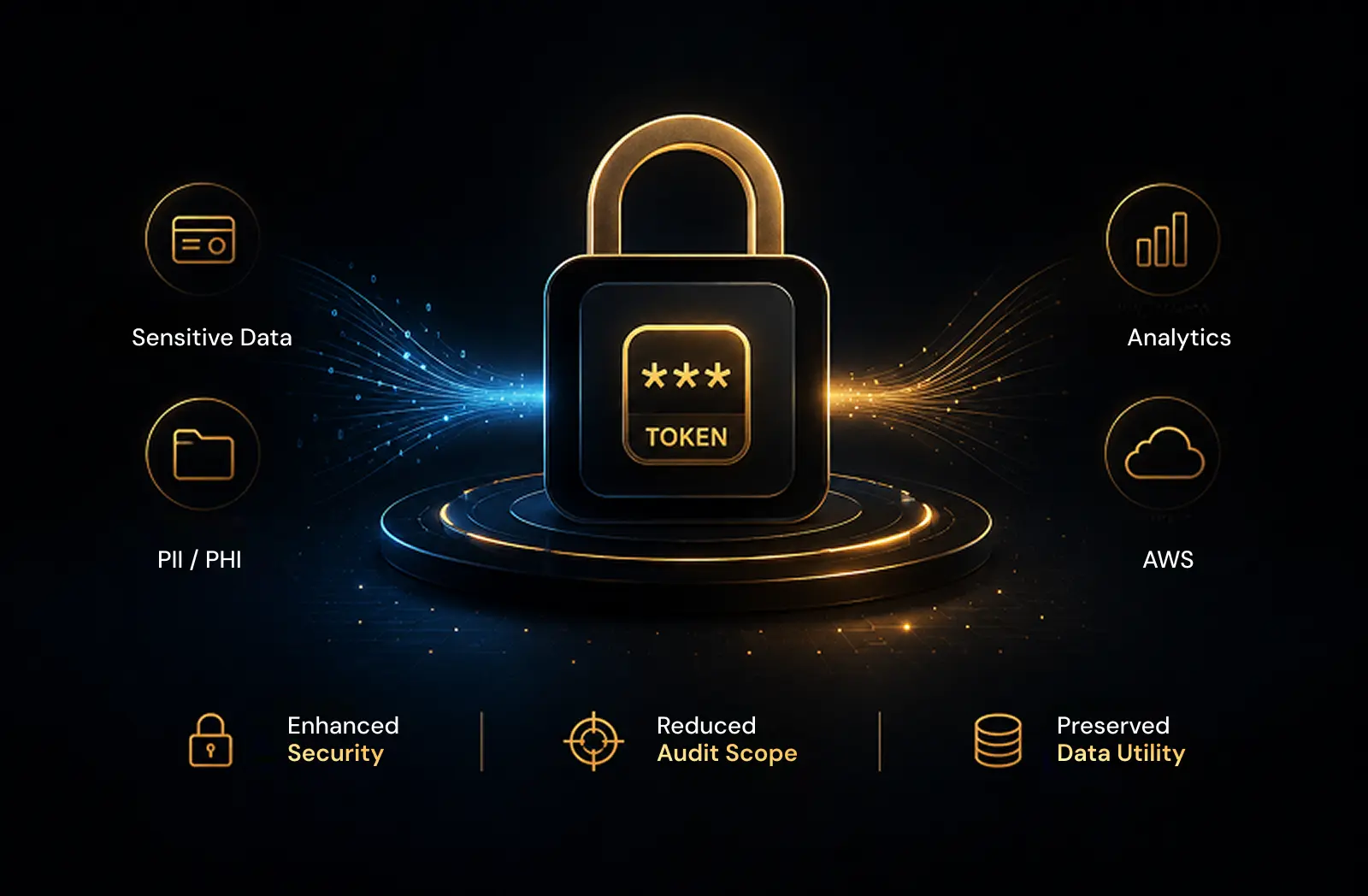
Securing Your Data Footprint: How Tokenization Improves Security and Minimizes Audit Scope
In an era of strict data governance, enterprises handling financial data, personally identifiable information (PII), or protected health information (PHI) face a difficult balancing act. Organizations must aggressively shield sensitive records from exposure while simultaneously attempting to reduce the massive costs, time, and architectural strain associated with regulatory compliance audits.
As an expert cloud infrastructure advisor and content curator for
Mirroar, we explore how implementing
Tokenization on AWS enhances data security, preserves analytical capabilities, and structurally reduces your compliance audit scope.
What Is Tokenization?
Tokenization is the process of replacing actual, sensitive data elements with non-sensitive equivalents (tokens) that hold no exploitable value if intercepted by an attacker.
Unlike general-purpose encryption, which transforms data into randomized ciphertext that often breaks downstream legacy database validation, tokens can be engineered to retain specific functional attributes:
- Format Preservation: Maintain the exact length, character set, and structural parameters of the original data (such as preserving the first 6 and last 4 digits of a credit card PAN) to ensure compatibility with existing application displays, storage parameters, and reporting layers.
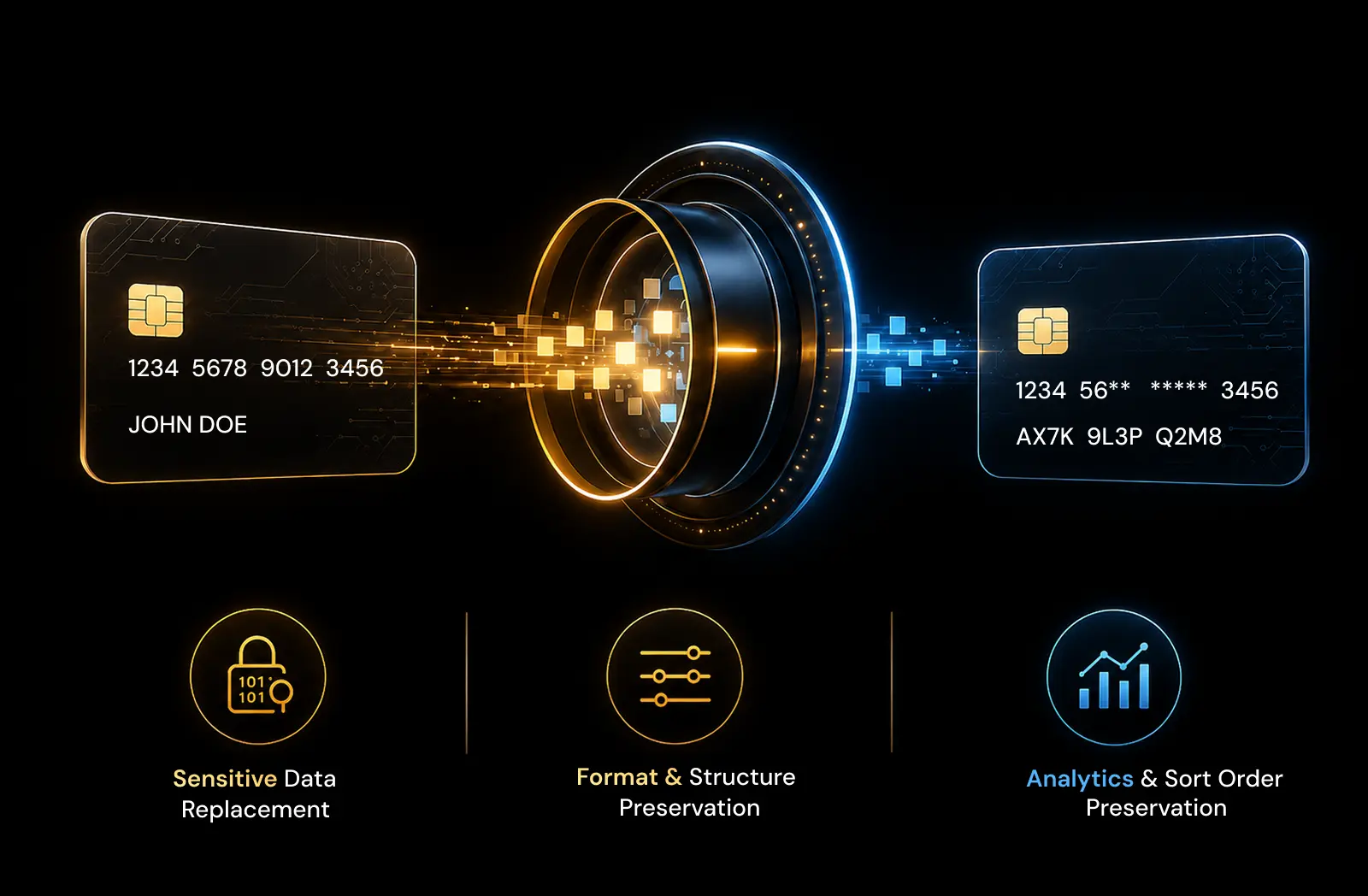
- Analytics Preservation: Support data-to-token consistency (idempotence) and sort order mapping, allowing analytical tools to perform metrics, reporting, and marketing trend evaluations using the tokens rather than exposing raw, sensitive records.
Key Use Cases and Compliance Benefits
By standardizing a tokenized architecture, enterprises can address several crucial security and regulatory requirements:
- Drastic Audit Scope Reduction: Regulatory frameworks like PCI DSS still consider systems that store, process, or transmit encrypted data to be entirely in-scope for rigorous assessment. Conversely, appropriately tokenizing data completely obfuscates the sensitive values, allowing downstream applications, data lakes, and third-party service providers to be entirely removed from compliance assessment scope.
- Simplifying Data Lake Security: Centralized data lakes co-mingle structured and unstructured data from multiple sources, making it incredibly complex to demonstrate rigorous regulatory data protection. Tokenizing data at each individual source before ingestion keeps compliance-subject data out of the data lake entirely while maintaining full analytical utility.
- Enforcing Least-Privileged Access: Tokenization adds an explicit layer of access control to the de-tokenization process. Organizations can co-mingle data safely, knowing that only verified users with a strict "need-to-know" possess the monitored privileges required to reveal the underlying plaintext.
Tokenization vs. Encryption: Making the Strategic Choice
While encryption provides foundational data confidentiality for unstructured files or large data volumes (leveraging services like AWS Key Management Service), tokenization offers unique advantages for structured data workflows: 
What Mirroar Does for Its Clients
At Mirroar, we eliminate the technical barriers and integration complexities associated with advanced data security. We design and launch tailored tokenization architectures that align perfectly with your enterprise workflows without disrupting your daily operations.
We partner with your compliance and security leaders to evaluate your workload threat models.
Mirroar builds automated data ingestion pipelines that intercept and tokenize sensitive elements at the source, before they ever hit your centralized databases, service providers, or AWS data lakes. Whether your business requires a highly customized self-managed vault or a secure integration with a third-party Tokenization-as-a-Service (TaaS) provider,
Mirroar configures the underlying IAM permissions, logging infrastructure, and real-time alerts to guarantee that every single de-tokenization event is strictly tracked, authorized, and monitored.
How Enterprises Benefit from Mirroar’s Services
Organizations that trust Mirroar to architect and manage their data obfuscation systems unlock valuable competitive, financial, and security advantages:
- Lowered Compliance Costs: By successfully isolating sensitive data to restricted vaults, Mirroar drastically shrinks your audit boundaries, translating directly into shorter compliance cycles, fewer audited systems, and lower assessment fees.
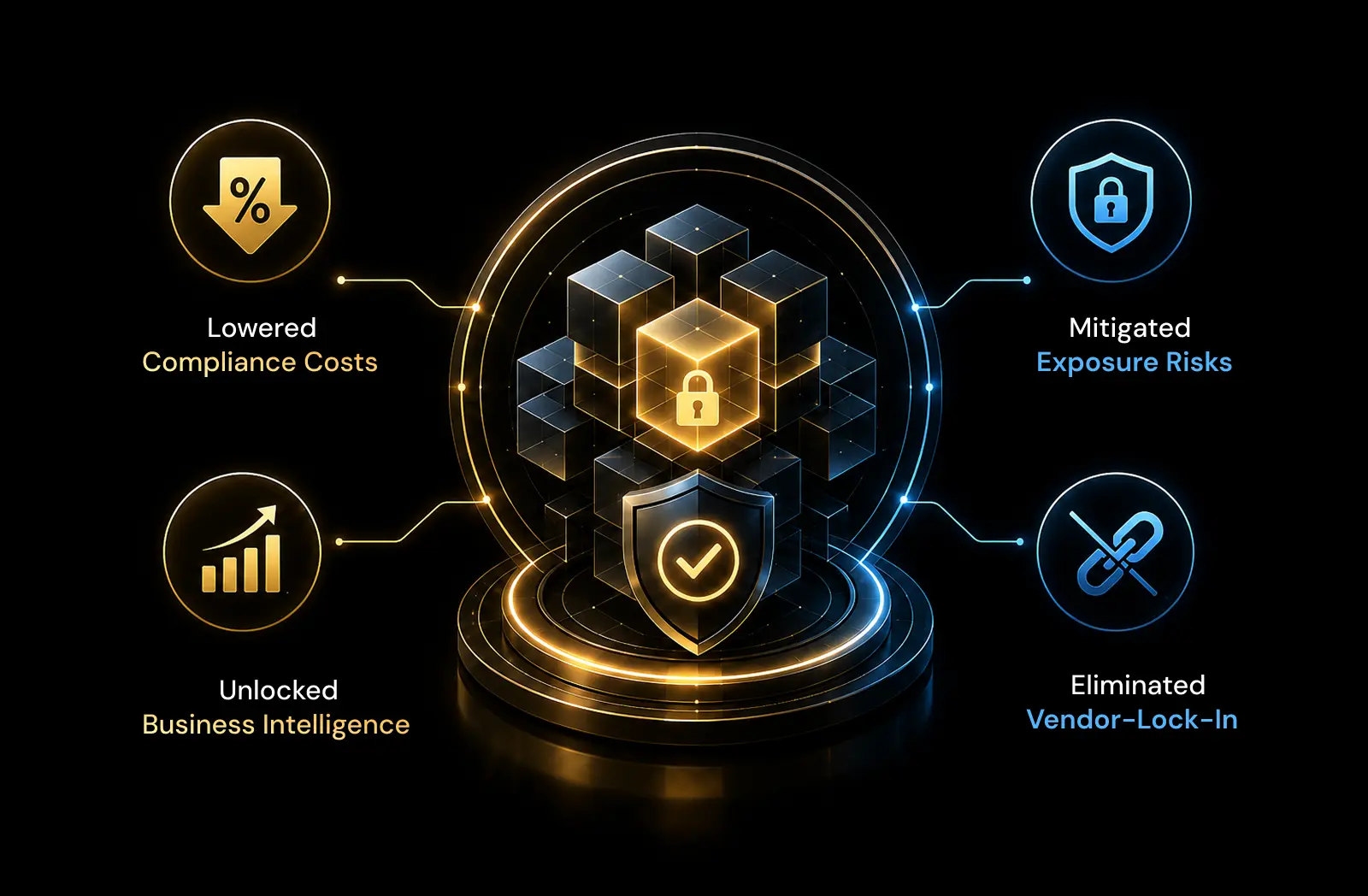
- Mitigated Exposure Risks: In the event of a system breach or service provider compromise, attackers only encounter non-exploitable tokens. Mirroar's architecture guarantees that a compromise of downstream repositories yields zero actionable data for malicious actors.
- Unlocked Business Intelligence: Our format-preserving implementations allow your data engineering teams to continuously run predictive modeling, fraud monitoring, and strategic performance planning over secure tokens, allowing you to maximize data value without accepting regulatory liabilities.
- Eliminated Vendor Lock-In: Navigating the AWS Marketplace to select or build tokenization tools can be daunting. Mirroar guides you to schemas that ensure your token databases remain fully within your operational control, preventing costly migration traps and service provider lock-in down the line.